 Kitchen With Electric Stove
When it comes to choosing green applications, most of the Homeowners rely on the degree of star power. The star of the energy program is a certification label that government applications that are cost of energy. He 's so successful that ' s become an international standard. Choose a stove that has a star of energy is the obvious choice when buying a new stove, but he doesn 't really do much to narrow down your choices. There are other choices you can make that will affect how much energy you use and how much coal except you.
Electric or natural gas
Does the first question most of the chefs are asked when choosing a new oven gas or electric ? There are points for each option. Gas is obviously a fossil fuel, which is a limited resource, but until we change to renewable energy sources to generate electricity, most of the electrical current is generated in coal-burning power plants. While it 's the case, a gas stove and an electric stove are quite similar in terms of carbon footprint.
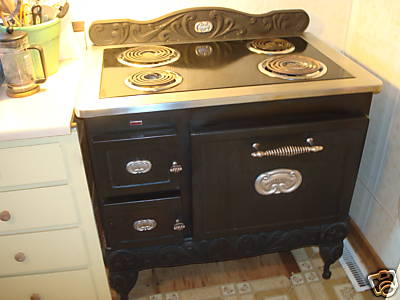 Safe and Clean Stove
• A temperature control easier and more accurate
• Immediate-heat
• Immediate adjustments in temperature when you lift or lower heat
• No waste heat when the cooking is done
Advantages of electric
Electric stoves also offer many advantages for cooks and energy efficiency.
• Classified elements of the burner for cooking utensils
• Easy to clean, especially glass cooktops
• Electric stoves offer additional cooking modes - convection, fan, microwave, etc.
Of course there are drawbacks to electric and gas stoves as well. Electric stoves with cooktops and glass elements of induction, for example, require the use of real metal cookware - pots of glass and aluminum pots won 'right t work because the heat of the element of induction won 't the transfer correctly. In addition, the cookware used on a Cooktop glass must be perfectly flat or a lot of energy used to heat will lose.
 Electric Stove
• When choosing an electric stove, choose the stove with the heating elements of the most efficient possible. Cooktops with elements of induction is the most economical energy, followed by elements of the halogen elements and finally the electric coil.
• Gas stoves with electronic ignition use 40% less gas than those with a pilot. - Choose a model that you will be happy with at least a decade. The more you use your long-new stove, longer remain outside the embankment.
• An electric stove with an oven having options of convection and microwave gives you more flexibility in use of energy.
• Read the label of the directory of energy to compare one with another stove to make a decision for a green kitchen stove.
Remember, though, that the stove is more efficient in the world just as efficient as their cooking habits. Look for green cooking tips to help you make the most of your new stove economic power.